
Founded at the head of the Klang Valley in the mid-nineteenth century, Kuala Lumpur – widely known as KL – has never had a coherent style. The earliest grand buildings around Merdeka Square, dating from the 1890s, are eccentric fusings of influences from across the British Empire, now overshadowed by soaring modern landmarks (notably the Petronas Towers) that wouldn’t be out of place in Hong Kong or New York. This melange extends to the people too; attractions aside, you could spend a visit simply soaking up KL’s excitingly diverse Malay, Chinese and Indian cultures: the conversations heard on the street, the huge range of food, and the profusion of mosques, Buddhist temples and Hindu shrines.
Although KL is also a noticeably sociable and safe place, many Malaysians have mixed feelings about their capital. Though the city is second only to Singapore in regional economic clout, the former prime minister, Abdullah Badawi, hit the mark when describing KL’s first-class infrastructure as betrayed by a third-world mentality, and demonstrating a poor grasp of planning, maintenance and service. Untrammelled development over the last decade has bequeathed the city many featureless buildings, follies and terrible traffic snarl-ups, which some locals tolerate only because KL offers them good money and experience before they retire to a cherished provincial village. Conversely, others feel that it has been their salvation, the one city in the country that’s big and broad-minded enough to allow them to explore their true artistic or spiritual identity.
Travellers who visit both KL and Singapore often conclude that if only KL could acquire some of Singapore’s ability to organize systematically and transparently, while Singapore had some of KL’s pleasingly organic qualities and didn’t take itself quite so seriously, then both cities would benefit. As things stand, they remain rivals, competing in their own way for investment and recognition while grudgingly admiring each other.
A stay of a few days is enough to appreciate the best of KL’s attractions, including the colonial core around Merdeka Square and the adjacent enclaves of Chinatown and Little India, plus, to the east, the restaurants, shops and nightlife of the so-called Golden Triangle, the modern heart of downtown KL. It can be equally rewarding just to take in KL’s street life, in particular its boisterous markets, ranging from fish and produce markets stuffed into alleyways, to stalls selling cooked food of every shape and description, or inexpensive clothes and accessories.
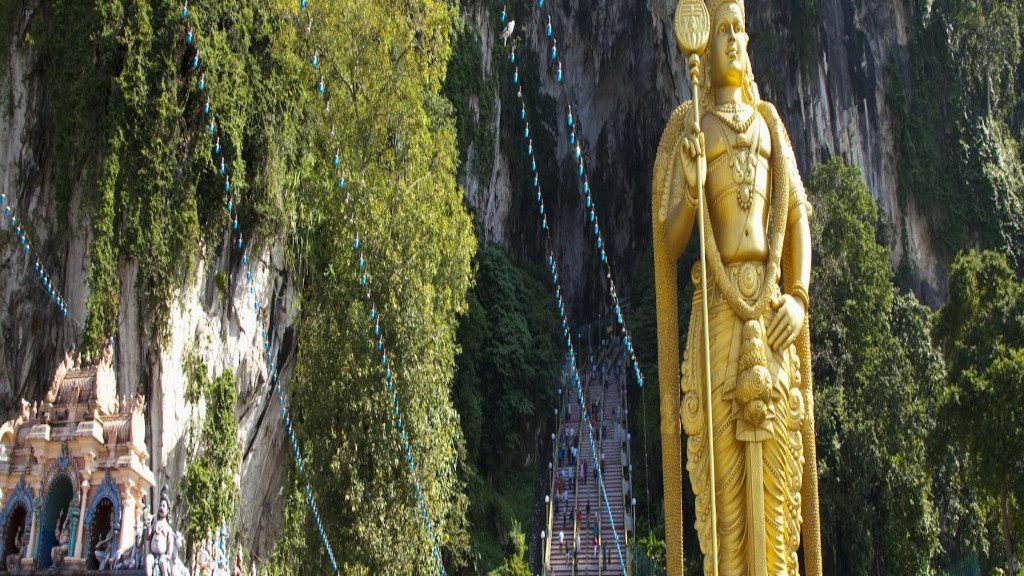
KL’s hinterland is hardly devoid of worthwhile sights either, among them the rugged limestone Batu Caves, which contain the country’s most sacred Hindu shrine; FRIM, or the Forest Research Institute of Malaysia, with a treetop canopy walkway for a quick taste of the rainforest; Kuala Selangor and its magical fireflies; and the hard-to-reach birding hotspot of Fraser’s Hill.
Recent Comments